


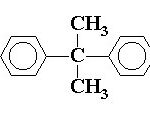
People new to UV/EB polymerization quickly learn that most of the oligomers used in energy-curable formulations have very high viscosities, often more than 1 x 10⁶ centipoise (cP). A classic example of such a highly viscous material is an acrylate-functional epoxy oligomer based on the diglycidylether of bisphenol-A (DGEBA). Figures 1 and 2 depict the molecular structure of … [Read more...] about The Problem of High Viscosity Oligomers – Part 1
Comparing EB and UV: Common Questions
If you’ve ever attended a RadTech conference and/or read an issue of UV+EB Technology, you surely know that ultraviolet (UV) and electron beam (EB) are similar technologies that also are very distinctly different. The old adage of apples and oranges applies quite well: UV and EB are both types of radiation polymerization (i.e., types of fruit), and there are instances where the … [Read more...] about Comparing EB and UV: Common Questions
Biomass Derived Chromophores for Radiation Curing
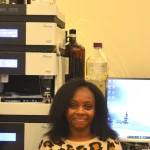
By Liz Stevens, contributing writer, UV+EB Technology Professor Jayaraman Sivaguru, Dr. Gregory Carroll, Sruthy Baburaj and Sheila Asiago were recognized in the 2021 RadLaunch Awards for their research project, “Colorful Nature – Biomass derived chromophores for radiation curing.” Dr. Sivaguru is the Antonia and Marshall Wilson Professor of Chemistry and Associate Director, … [Read more...] about Biomass Derived Chromophores for Radiation Curing
Part Two: Interview on LED Technology with Robert Rae and Jennifer Heathcote of GEW (EC) Limited
1. As UV LEDs enter their teenage years, how have they changed, and what can you share about dealing with them? Jennifer: In 2007, when I began working with UV LEDs, there were few practical applications. Early LED systems mainly were used in formulation labs, with R&D efforts focused on spot cure (adhesive structural bonding) and printing (digital inkjet pinning and … [Read more...] about Part Two: Interview on LED Technology with Robert Rae and Jennifer Heathcote of GEW (EC) Limited
UV LEDs – The Teenage Years: “Doveryai, no Proveryai” (Trust but Verify)
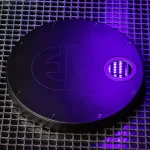
Inspiration for my columns come from a variety of sources. This one is dedicated to my smart, but headstrong, teenage niece. UV LEDs are teenagers. Commercially available UV LEDs – that by today’s standards were relatively low power – first appeared somewhere around 2003. By 2008, power levels had increased and unit costs had dropped, making UV LEDs a viable alternative for … [Read more...] about UV LEDs – The Teenage Years: “Doveryai, no Proveryai” (Trust but Verify)